
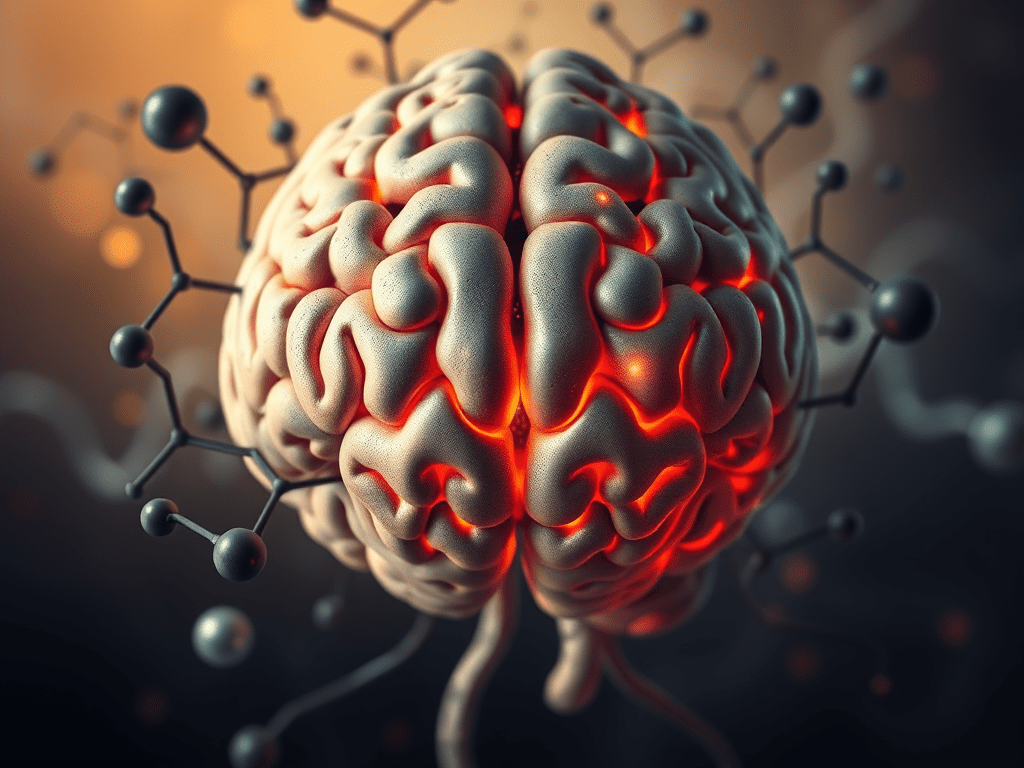
Is Depression Really a Chemical Imbalance? Here’s What the Science Says
For years, most of us have been told that depression is caused by a chemical imbalance in the brain. Usually, the story goes something like this: you’re low in serotonin, and antidepressants fix that shortage. It sounds simple and believable, but the reality is much more complicated.
In 2022, a large review from University College London looked at decades of research on serotonin and depression. They found no convincing evidence that low serotonin causes depression. None. The researchers examined every major type of study and concluded there was no consistent link between serotonin levels and depression symptoms. Even back in 2011, psychiatrist Ronald Pies called the chemical imbalance idea an “urban legend” within psychiatry.
This means the old theory we’ve been taught for years doesn’t stand up to scientific scrutiny.
The Truth About SSRIs and Serotonin
SSRIs are a common type of antidepressant. They don’t actually “fix” a proven shortage of serotonin, because research shows that shortage was never found in the first place. What they do is block the reabsorption of serotonin in the brain, which temporarily increases its availability.
In the short term, this can sometimes help people feel better. But over time, your brain can adapt to the change. Research, such as a 2015 review by Andrews and colleagues, suggests that long-term SSRI use may cause serotonin receptors to downregulate, meaning they become less sensitive. It may even reduce your natural serotonin activity over time.
That can lead to things like emotional blunting or feeling “numb,” withdrawal symptoms when stopping, and a higher risk of relapse once you come off them. This doesn’t mean SSRIs never help anyone, but their benefits are often modest, especially for mild to moderate depression. Even the UK’s NICE guidelines recommend trying non-medication approaches first in many cases.
Negative Thoughts and Positive Thinking: How Patterns Affect Your Brain
You might have heard people say that negative thoughts lower your brain chemicals. That’s not quite accurate. There’s no direct proof that thinking something negative instantly drains your serotonin.
However, what research does show is that repetitive negative thinking, known as perseverative cognition, keeps your stress system switched on. That means your cortisol stays high, your blood pressure can increase, and your body remains in a state of tension. Over time, that stress environment can interfere with healthy brain chemistry, making it harder for your serotonin system to function smoothly.
The good news is that positive thinking patterns can support healthy serotonin function, not by magically creating it, but by improving your brain’s environment. When you focus on solutions, practice gratitude, or reframe challenges, you lower stress hormones and encourage habits that naturally boost serotonin. This includes regular exercise, enough quality sleep, a nutrient-rich diet, spending time in natural sunlight, and building strong social connections.
Why This Matters
If depression isn’t caused by a simple chemical imbalance, it means you are not broken. You are not missing a magic brain ingredient that only a pill can supply. Your mood, your resilience, and your mental health are shaped by a combination of thought patterns, habits, environment, and biology. These are all things you have influence over.
This is exactly what we focus on in the Thrive Programme. It’s a proactive, step-by-step process that strengthens your mental health foundations so you are not just managing symptoms, but creating the kind of mindset and emotional resilience that prevent problems in the first place. By week five, my clients usually notice a real shift. They’re thinking more positively and powerfully, their reactions to challenges are calmer, they feel less irritated or snappy, and they’re more in control.
When your mental health batteries are fully charged, predictable, and stable, life feels very different. You’re no longer waiting to feel better — you’ve trained your mind to work for you, not against you.
Final Takeaway
The chemical imbalance story is outdated. While SSRIs may be useful for some, they are not fixing a proven deficit, and they are far from the only way to improve your mental health. You have the power to change the way you think, respond, and feel. By building strong coping skills and creating a healthy brain environment, you can make lasting changes that go far beyond symptom management.
If you are ready to take that next step, I can guide you through the exact process that has helped so many of my clients transform how they think and feel. The Thrive Programme is designed to help you become the strongest, most confident, most emotionally resilient version of yourself. I do specialize in emetophobia, but I also love coaching those who consult for anxiety, ocd, depression, and more.
Your brain is changeable. Your mental health is buildable. And you can start today.

 Coach Lauren Singer
Leave a reply to Anonymous Cancel reply