
How To Cope With Chronic Illness Especially With Stomach Issues
Inspired by and dedicated to our client Leanne
I’m just going to say it: if you suffer from emetophobia, you are living in the RED zone all the time. Instead of thriving and enjoying your life, you’re enduring it—just surviving, right? Every day, you’re firefighting, constantly checking, avoiding, and running every experience through your emetophobia lenses, which only serves to amplify fear and terror. It’s exhausting. You’re drained, stressed, and maybe even a little depressed. And that makes perfect sense.

When your body is constantly in fight-or-flight mode—because your perceived threat is literally inside of you—it becomes overwhelming. You believe you can’t avoid or escape the terrifying thing, but rather that it is part of you…it “lives” in you, which is extremely stressful. I came to the realization when I had it that I was literally afraid of food and of myself. Living like that is a prison. The only thing you can do, you think, is to stop eating to avoid the potential of ever getting sick in the first place. That is what you believe you can still control. This is one reason emetophobia is commonly misdiagnosed as an eating disorder, though the motivation behind food restriction in emetophobia has nothing to do with body image. This clinical misunderstanding can also be incredibly frustrating.
That’s one of the reasons this phobia is so debilitating and different from other phobias. It affects you so severely that your immune system takes a back seat, making it harder to fend off infections. Your hormones, which control everything from sleep to appetite to your sex drive, get thrown off balance. Some people even develop migraines! Think of having emetophobia as leaving the door wide open for other illnesses because your mind and body are spending all their energy trying to avoid what you believe is a certain-death situation. Your mind is convinced there’s a tiger in the bushes waiting to pounce at any second—every single day.
Side note: Give yourself some credit and a pat on the back because living with emetophobia is only for the strong! Imagine now if you put all that same effort you expend avoiding, restricting, escaping, monitoring, and anticipating the worst into working with me to overcome emetophobia—there’s no question about it—you will succeed! Look at you-you’ve already been researching and reading how to overcome it if you’re reading this right now! Great Job-Keep it up!
That constant stress is a killer for your physical health. If you’re living with emetophobia, I would bet my bottom dollar that you have additional coexisting health issues. Autoimmune conditions, frequent colds and flus, and stomach issues like IBS, colitis, frequent nausea, abdominal pain, and gastroparesis are all too common. When your stress-o-meter (you’ll learn more about this in-depth with me) is stuck in the red zone, your body responds accordingly—elevated blood pressure, rapid heartbeat, trembling—all before your feet even hit the floor in the morning. You’re primed to expect challenges, and your body responds in kind.
There’s a well-documented connection between chronic hypervigilance, stress, and reduced immune function. A study by Segerstrom and Miller (2004) revealed that chronic stress can suppress immune responses, making people more susceptible to infections. Additionally, a 2015 study by Cohen et al. found that stress weakens the immune system, impairing its ability to fight off illness.
Take, for example, a documented case of emetophobia, one we may all be able to relate to-I once didn’t eat for 3 weeks when I was exposed to a stomach virus my roommate had-in the study “Emetophobia: A Case of Nausea Leading to Dehydration in an Adolescent Female,” a young girl’s fear of vomiting became so severe that she stopped eating and drinking, eventually leading to dehydration. Her mind’s fear-driven avoidance behaviors turned into a serious physical health issue. This case clearly shows how the fear of vomiting can create more problems, not only mentally but physically. It’s easy to see how this constant state of stress and fear can trigger other stomach issues and illnesses.
This is why it’s crucial to learn how to calm ourselves down and build resilience and coping skills, allowing us to accept and cope with whatever life throws at us with a powerful positive can do attitude!
I know it might feel impossible right now, but what if I told you there are simple steps you can take to easily learn what you need for this to become your reality?
The Importance of Internal Locus of Control in Managing Emetophobia and Comorbid Illnesses
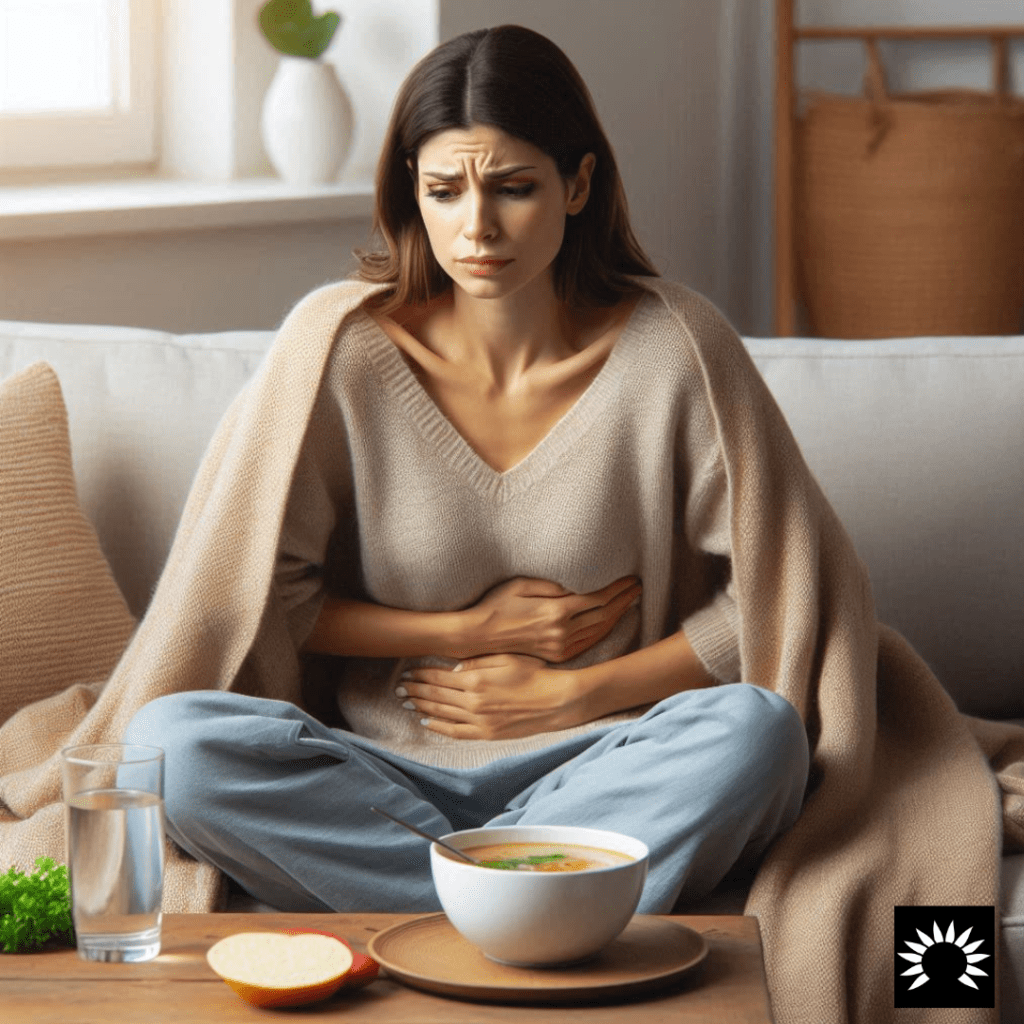
When you suffer from emetophobia, it often feels like life is spiraling out of control. Every stomach twinge, every wave of nausea, triggers a chain reaction of panic. Before you know it within even just microseconds you may be in the middle of an intense panic attack! This is how Leanne our client felt dealing with Colitis and Emetophobia and how I used to feel with Crohn’s disease.
You feel powerless—your fear is running the show. You believe emetophobia is outside of you, that it is SOMETHING that is Happening To You–uncontrollable which makes you a victim– But here’s the thing: what’s at the root of this? It’s not just the physical symptoms, but the way you perceive your ability to control or cope with them.
This is where the concept of locus of control becomes crucial. Essentially, locus of control refers to whether you believe the outcomes in your life are under your control (internal) or dictated by external forces like fate, luck, chance, just wishing and hoping, powerful people, or circumstances beyond your influence (external).
For someone living with emetophobia and chronic illnesses, this mindset—whether internal or external—can completely change how you experience and manage both your fear and physical symptoms.
Research on How Locus of Control Relates to Comorbid Illnesses
Emetophobia sufferers often have comorbid illnesses, especially stomach-related issues like IBS, chronic nausea, or gastroparesis. These physical ailments, compounded by the fear of vomiting (and sometimes diarrhea), can reinforce the belief that you have no control over your body or your life leaving the sufferer to believe they are helpless which also may lower their self esteem effectively. This is where developing a strong internal locus of control comes in.
In the research by Keefe and Crisson on chronic pain, patients who exhibited internal locus of control beliefs reported less pain and distress. These individuals believed that they had personal control over their pain and could actively manage it through their own efforts.—those who believe they have the power to influence their own condition—are generally more effective at managing pain and discomfort. . This approach not only helps in handling pain more effectively but also contributes to overall well-being and self agency. So, embracing the belief that you have control over your health can lead to more empowering and effective ways to manage and improve your condition.
Patients with an internal locus of control tended to:
- Engage in problem-solving: They were more likely to adopt active coping strategies such as pacing themselves, using relaxation techniques, or seeking out treatments they believed could reduce pain.
- Focus on self-efficacy: They believed in their ability to influence their pain levels, which led to greater resilience and persistence in managing discomfort.
- Use cognitive coping techniques: This involved getting perspective, challenging negative thoughts, using positive self-talk, and focusing on aspects of life they could control, helping to minimize emotional distress related to pain.
By taking these proactive steps, patients with an internal focus reported feeling less overwhelmed by their pain, experiencing both less physical pain and emotional distress. This, in turn, made the pain feel more manageable, leading to a better quality of life despite the ongoing physical condition.
So, how does this apply to emetophobia?
- Internality and Strengthening Your Secondary Control Skills: What you fear is actually the fear itself-you are fearing the feelings and emotions you’re creating in response to your beliefs about stomach distress/vomiting ..even though as one Tiktok follower said “I unequivocally know I am terrified of the actual event of vomiting”…and I once said the exact same thing! By fostering a sense of internal control and boosting your secondary control skills, you start to believe that while you can’t always prevent nausea or stomach discomfort, you can control how you respond to it. This empowers you to endure discomfort without quickly creating a lot of dreadful thoughts and panic. Instead of feeling like nausea is a threat you need to escape, it becomes just another sensation you can cope with much like other unpleasant symptoms or events you regularly bear.
- Chronic Illnesses & Stress: Chronic stress, especially from phobias, wears down the body, impacting immune function and exacerbating existing health issues. We see this with autoimmune conditions, gut issues, and more. If your stress-o-meter is always in the red zone because of external factors you feel you can’t control, your health takes a hit. Strengthening your internal locus of control helps reduce that chronic stress, improving your overall well-being and reducing the frequency of physical symptoms even if they are from other illnesses like my Lyme disease nausea (My experience below).
Yes, I Do Completely Understand What It’s Like

Let me share my own experience to illustrate this point. Having autoimmune conditions like Lyme disease, Crohn’s, Pernicious Anemia, Copper Toxicity, and more—left me feeling out of control…Not only were there days I couldn’t even verbalize words, I had 4 years straight of dizziness and shortness of breath, sometimes couldn’t get up off the floor…and the nausea was random and overwhelming, and I constantly felt like I had to escape my own body. I felt like a victim.
Before I completed the Thrive Programme, my symptoms were so intense that I’d have to pull over while driving—sometimes in the pouring Florida rain—and dash into the woods! That eventually led to a worsening fear of driving with others due to social anxiety.
Forget getting an Uber or being in the car with kids who may either get sick themselves or laugh at and judge me! I only rode in cars with people I felt emotionally safe with and packed my car with toilet paper and other ‘emergency supplies.’ I truly thought this was my life, and I’d just have to accept it. If I tried to fight my body the cramps were so severe I’d get chills, waves of nausea, and sometimes I just couldn’t hold it! I even downloaded a “find the nearest bathroom” app on my phone, just in case. Living in the country, where stores are sometimes 45 minutes away, made urgency a real challenge.

But after strengthening my internal locus of control, I learned to manage the fear of the unknown—the “what if I get sick?” loop—by telling myself I could handle whatever came my way. And guess what? My physical symptoms started to improve. I began seeing my nausea as something I could tolerate, and when I did, the constant dread disappeared.
Now, even though I still deal with chronic health issues, I don’t let them control me. I face my days with the belief that I can handle what comes, and because of that, I rarely experience the anxiety or panic I once did. Sure, sometimes I get hit with nausea, but I coach myself through it. Instead of catastrophizing, I talk myself down, reminding myself that I’ve been through it before, and it always passes.
How I Turn Pain Into Opportunity
I talk about my health limitations often during my Instagram Live workshops, but today I want to share something a bit more personal with you. I’ve found a way not only to live with my chronic conditions but to use them to empower myself.
There are occasions I still get a rogue thought if I’m having health issues and it’s a situation I used to fear like going on my dad’s boat, which doesn’t have a bathroom. If the thought still crosses my mind, I coach myself through them positively—and I always end up enjoying the trip. I never regret pushing myself, exposing myself, and truly embracing the day. Every time, it strengthens me and proves to me that I am getting better each day. I refuse to give my power away to external forces beyond my control! Even when I need to use the restroom, I find a way to figure it out, stay calm, and even add a little humor to the situation.
Pancakes and Alligators
There was this one time when I was kayaking and had just eaten a huge plate of pancakes for breakfast when, of course, nausea hit me in the middle of an alligator infested river. I awkwardly pulled the boat over and ran into the woods-I wasn’t sick but my stomach certainly wasn’t happy at the time. But the funny part? Johnny my paddling partner, found a rope swing nearby and didn’t even notice what was going on with me! Yes he jumped into the risky waters, to this day I’m not sure if it was Thrivey or just plain crazy.
In the past, I was the one creating the dread and end of the world circumstance—just like Rob says in the manual—I was the one raising the volume on the scary Jaws music in the background! All those nonexistent social judgments that I imagined were only in my mind. All the terror that I thought that my stomach issues caused me was completely created by me!
It’s Ok To Feel Green
Speaking of being embarrassed in front of friends, partners, or cute dates…interestingly, research shows that women tend to have higher levels of disgust propensity, which is a strong emotional reaction to things perceived as gross or contaminating, such as burping, farting, pooping, and vomiting… those yucky things! After all, girls are supposed to be made of “sugar and spice and everything nice,” while boys are often the ones playing with frogs and getting messy, right? Disgust propensity is a significant factor in the development of emetophobia, explaining why over 95% of sufferers are women. Nausea fits perfectly into this category because it makes the body feel contaminated, like something needs to be expelled. The sensation itself can feel like your body’s equilibrium is off—maybe that’s why they say you’re “feeling green.”
The phrase “feeling green” or “turning green” when you’re sick—especially nauseous—probably comes from those not-so-pleasant physical changes we experience before vomiting. You know the look—your face goes pale or takes on that odd greenish tint because your body is responding to the situation, pulling blood away from your face. The color green has been linked to sickness and unease for ages. Even back in Greek and Roman times, green was tied to bile and illness. And if you’ve ever read Shakespeare’s Othello, you’ll remember how jealousy is called the “green-eyed monster.” So, turns out green’s been associated with feeling unwell for centuries!
People often think emetophobia just suddenly appears or stems from a traumatic event, but this is a misnomer in the medical and psychological field. There’s a set of unhelpful thinking styles that need to be in place for it to develop, kind of like a recipe I talk about in my other blog, “Deconstructing Fear.” This heightened sensitivity to disgust can make someone more prone to phobias like emetophobia, where the fear of vomiting or feeling sick becomes all-consuming. Disgust propensity is closely linked to a need for control over contamination or illness, which is why emetophobia often affects those with a high external locus of control and high desire for control. Imagine someone scrubbing their hands with bleach until they bleed….They might feel powerless to prevent sickness, leading to more avoidance behaviors that only worsen the phobia.
We pick up these thinking styles from external sources, like how our parents think and speak. Just look at the concept of diverse accents in people based on how they were raised—our environment shapes our thinking-that is until I coach you to look at your foundational beliefs-By shifting to an internal locus of control, you can dial down that intense disgust response and reduce avoidance behaviors, helping you take back control over your life.
Do I still get nausea, stomach cramps and other fun symptoms? Yes, sometimes even right after I eat—an emetophobe’s worst nightmare. But now, I use the experience to strengthen my coping skills and to change cognitive bias that anytime I feel ill I will throw up. I tell myself “Tolerate it!” in a deep, funny voice, and like Mary, my inspirational testimonial client, I remind myself that I can’t be bothered (love this!). I shift my attention elsewhere, I put the energy into something worth putting it into, I keep going-and you know what? It passes. Sometimes it takes hours and it’s really not fun, but this is when I turn to my distraction toolkit as a superpower. We can challenge our thoughts or distract ourselves and in this case, I use both-challenge the unhelpful fearful powerless thoughts to find evidence against them and distraction!
For example here’s an emetophobic thought- “I feel nauseated and I just ate, if I am sick it’s going to be never ending, horrible, and I can’t, I just can’t do it” to “I am not feeling 100% but it will likely pass shortly, it does over 99.999% of the time and if I begin to feel worse I can get myself to a restroom, excuse myself and deal with it…it’s ok if other’s know I am sick, it happens to everyone and they’ll likely feel compassion for me.”
What you’re doing is calming down the belief that is behind the scary thought and putting yourself back into the driver’s seat of your own mind-Thus the anxious feelings fizzle out rather quickly!
Don’t Live Another Day With Emetophobia!
This is why I urge you to tackle emetophobia now. The nature of our minds is that fear keeps reinforcing itself. We find more and more signals to avoid, and the restrictions just get worse over time!
With the right skills, you’ll be able to handle pain, discomfort, and life’s twists and turns in a much healthier, more positive way. Just like me, your secondary health issues will likely improve, and you’ll have the tools to manage discomfort with resilience, positivity, and inner strength!
The Takeaway
When you strengthen your internal locus of control, you unlock the key to better mental and physical health. For those of you suffering from emetophobia and coexisting conditions, it’s crucial to stop letting the fear of vomiting or illness dictate your life. By regaining your internal power and understanding that you have control over your reaction to symptoms (even if you can’t prevent them), you can drastically improve your quality of life.
Just like I did, you’ll find that as you shift your mindset and take control over your reactions, both your emetophobia and your physical health will begin to improve. You can live a life where nausea and fear no longer dictate your every move—and I’m here to help you on that journey.
By building up your locus of control—your belief in your ability to influence your life—you can strengthen your ability to accept things without relying on external crutches. You’ll not only be able to endure life’s challenges, but grow stronger from them, viewing them as opportunities for growth rather than burdens weighing you down. As a bonus, your physical health will likely improve, too! Just like me, many people find that when they learn to manage their stress better, those secondary health issues like frequent illness or stomach problems start to fade away.


 Coach Lauren Singer
Leave a reply to Anonymous Cancel reply