

Breaking Free from the Fear of Failure: Why So Many with Phobias and Habits Avoid Help—and How You Can Change That
Have you ever wanted to reach out for help but thought, “It probably won’t work for me,” or maybe even, “I’m just too far gone”? If you’re nodding along, know that you’re not alone! Whether it’s a phobia like emetophobia (the fear of vomiting) or a habitual behavior that feels tough to break, the feeling of being “stuck” is all too familiar. But here’s what I want you to know: that feeling of powerlessness isn’t a fact—it’s just a belief, and beliefs can be changed.
The Thrive Programme has helped countless (over 23,000 emetophobes and counting) people challenge these limiting beliefs and break free from cycles of avoidance and habits that don’t serve them. Let’s look at the common reasons why people hold back from seeking help, and how understanding these mental barriers is the first step toward breaking free.
1. Learned Helplessness: “I’ve Tried Everything, and Nothing Works”
One of the most common hurdles for people dealing with phobias or habits is the belief that they’re simply “incapable” of changing. This mindset, called learned helplessness, was first researched by psychologist Martin Seligman, who found that people can be conditioned to feel powerless after repeated failures. If you’ve tried time and time again to overcome a habit or phobia only to feel like nothing ever changes, it’s easy to fall into the trap of learned helplessness. This belief reinforces the feeling that no matter what you do, you’ll fail—so why bother trying?
For someone with emetophobia, this might mean avoiding anything remotely connected to feeling sick, which reinforces that sense of helplessness each time. The same goes for habitual behaviors; if you’ve tried to quit smoking or change another behavior and felt like you couldn’t, it’s tempting to believe that change just isn’t possible for you.

But here’s the key: helplessness is just a mindset, not a permanent reality.
By challenging it, you can discover your capacity for growth and change (Seligman, 1975; Abramson, Seligman & Teasdale, 1978).
2. Fear of Failure and Shame: That Heavy “What If I Can’t Do It?” Feeling
The fear of failure can be incredibly paralyzing. It’s not just about avoiding disappointment; it’s also about the deep, personal fear of feeling exposed, inadequate, or ashamed if things don’t go perfectly. Research shows that people who experience intense fear of failure are often more likely to avoid reaching out for help, especially if they’re struggling with low self-esteem. When you’re already doubting yourself, the thought of trying—and possibly failing—can feel too risky (Conroy, 2003).
For those grappling with emetophobia or habitual behaviors, thoughts like, “What if I try to get over this, and I just can’t? What if it means I’m too weak?” can feel especially isolating and discouraging. However, it’s important to remember that self-doubt does not define you. Having a Thrivey mentality means you will focus on cultivating self-belief and gaining perspective, encouraging you to view setbacks as natural components of growth—opportunities to challenge yourself and recognize your true strength. Imagine approaching challenges with confidence rather than hesitation—by embracing the journey, rather than fixating on the destination, you can conquer the fear of failure. it is about the EFFORT you’ve put in not necessarily the outcome.
3. Habitual Avoidance: The “Safety Net” That Actually Keeps Us Stuck
Let’s talk about a quirky coping strategy called self-handicapping. It’s basically when we set up “excuses” for ourselves to avoid trying. For someone with emetophobia, it could mean avoiding situations where they might feel uncomfortable, like going out to eat or traveling. For someone dealing with a habitual behavior, it might mean avoiding therapy or support because they’re “sure it won’t work.” While these behaviors seem protective in the moment, they actually reinforce feelings of helplessness and limit our sense of control (Knowles, 2019).
This pattern of avoidance might feel like it keeps you “safe,” but in reality, it creates a cycle where each time you avoid a situation or don’t take action, you’re strengthening the idea that you can’t handle it. You will create more sense of externality and hopelessness doing this!
By gradually testing these self-imposed limits, you can prove to yourself that you’re far more capable than you think. I call these “micro exposures”…incremental steps in the right direction which are then processed positively and powerfully. I tell my clients, it’s ok to be the turtle as long as you’re heading in the right direction and staying on your Thrive journey path. Be kind and patient with yourself, especially if you just started making changes.
The Thrive Programme teaches that real control comes from facing these fears, not avoiding them.

4. Low Self-Esteem and Negative Beliefs About Recovery
Low self-esteem can be a huge factor in keeping people locked in cycles of fear and habit. When you feel “less than” or unworthy, it’s easy to believe that change isn’t possible for you. This mindset often comes with a set of cognitive distortions—thoughts that distort reality by making challenges seem bigger and strengths feel invisible. For instance, someone with emetophobia might think, “This phobia is too deep for me to overcome,” while someone struggling with a habit might believe, “I’m just not strong enough to break this.” But low self-esteem isn’t fixed—it’s a belief, one that can absolutely be changed (Dickerson & Kemeny, 2004).
Through Thrive, you’ll learn to shift these beliefs and develop an empowered view of yourself. Building up your self-esteem and confidence doesn’t happen overnight, but each small step you take strengthens the belief that you’re capable. The truth is, we’re all capable of transformation, but we have to start with the belief that it’s possible.
5. Why “Addiction” is Just a Habit You Can Break
At Thrive, we don’t view addiction as an unbreakable trait but rather as a learned behavior fueled by beliefs and habits. Often, what we call “addictions” are simply cycles of behavior that feel hard to break because they’re tied to limiting beliefs. Take smoking, for example: you might believe it helps you relax, but what if that’s just a belief and not a fact? Or perhaps you feel reliant on certain substances or behaviors to cope with stress, believing they’re your only option.
By challenging these beliefs and understanding that they’re not set in stone, you can begin to see that habits—even deeply ingrained ones—can be changed. It starts with reframing these “addictions” as habits, ones that you’re fully capable of overcoming with the right mindset and tools. Instead of thinking, “I’m an addict,” try rewording it to, “I have a habit, and I have the power to change it.” This mindset shift opens the door to real, lasting change.

6. External Locus of Control and the Illusion of Safety
One of the Thrive Programme’s central teachings is the importance of an internal locus of control—the belief that you have the power to shape your life. An external locus of control, on the other hand, is when you feel life just “happens to you,” and you’re left reacting instead of steering. People with phobias or habitual behaviors often fall into this mindset, believing that external factors dictate their lives. They tend to believe their phobia is happening to them. For someone with emetophobia, this could mean relying on avoidance to feel safe, while for someone with a habit, it might mean feeling “controlled” by cravings or routines and can’t control their own thoughts…again they may believe they have “intrusive thoughts” leading them to use or act out.
Through studying your Thrive Programme manual I will guide you to shift from an external to an internal locus of control, where you see yourself as capable of handling challenges. With this mindset, you stop avoiding situations and start facing them with resilience. You’ll find that the more you believe in your own strength, the more real control you’ll feel over your life (Stetson University, 2020).
Taking the First Step Toward Change
While these fears and beliefs can feel like mountains, remember—they’re learned, which means they can be unlearned. The Thrive Programme is all about challenging these limiting beliefs and rediscovering your sense of power. Imagine swapping “What if I fail?” with “What if I succeed?”
The only true failure is not trying…and every small step forward breaks down that belief that life is out of your control. You can do this!
A Note from Coach Lauren
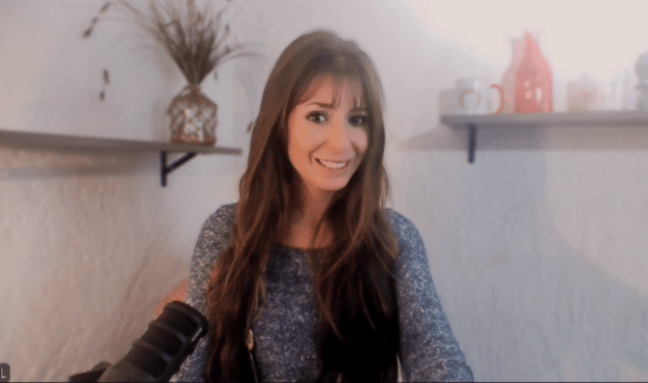
Hey, I’m Coach Lauren, and I get it—I used to be in the thick of it with emetophobia and other bad habits like self harm. I also used to use medication to cope with my anxiety, depression, and ocd thoughts which I once believed were happening to me. I once believed I was a victim. The intense fear, the constant avoidance, and the feeling of helplessness—I’ve been there. I’ve lost jobs, friends, opportunities, health, and more due to emetophobia. A huge part of my journey was ditching helpless thinking and realizing that my power comes from within. I now know all I need to succeed was inside me the entire time!
Helplessness thinking is that voice saying, “You can’t handle this, so don’t even try.” It kept me from fully living life, making my world smaller and smaller as I avoided things that maintained my phobia. But here’s the truth: helplessness is just a belief, not a fact. When I started with Thrive, I learned that my phobia wasn’t a permanent part of me; it was just a thought pattern that I could rewrite.
Through small, consistent changes, I challenged my beliefs and proved to myself that I could handle far more than I’d thought. And now, I’m here to help you do the same. Whether you’re dealing with a phobia or a habit, know that you’re capable of changing your story. The first step? Believing that you can.
I’d love to be your coach whether you struggle with emetophobia or another bad habit you are ready to rid yourself of! We even have a unique manual for smoking cessation and fear of flying you’ll receive when you purchase your 6-8 weeks package with me!
Here’s me now loving my life traveling the world! Morocco camel ride! Remember I am no different than you, you can expand your world and rid yourself of emetophobia for good! No more learned helplessness thinking!

References
- Seligman, M. E. P. (1975). Learned Helplessness: On Depression, Development, and Death. Freeman Press.
- Conroy, D. E. (2003). “Performance Failure Appraisal Inventory: Development and Validation.” Journal of Anxiety, Stress, & Coping.
- Knowles, E. (
 Coach Lauren Singer
Leave a comment